
Why a Multichain Wallet Needs Great Swaps, a Solid Seed Phrase Flow, and a Real Portfolio Tracker
Whoa!
I was messing with my phone wallet last night.
Something felt off about the flow.
At first it was a tiny annoyance—then it turned into a genuine “this could lose people money” moment, because UX and security are weirdly entangled in crypto.
On one hand, swaps should be frictionless; on the other hand, too much smoothness can hide danger when seed phrases or approvals go sideways.
Seriously?
When you hit swap, you want the market, gas, and routing to just work.
But my instinct said “check the approvals” before you click confirm, because that one screen can grant wallet access forever.
Initially I thought wallets were solving that with permissions UX, but actually, wait—many still bury allowance revokes and show confusing gas estimates.
So yeah, this matters.
Hmm…
Here’s what bugs me about most mobile wallets: they treat swaps like shopping.
You add a token, you confirm, you get the asset.
But crypto isn’t retail.
It’s custody, responsibility, and sometimes a legal headache if something goes wrong.
Whoa!
A good swap flow has at least three parts: routing, slippage and approval management.
Routing should pick the cheapest path across DEXes, though actually that’s not always the safest route if it uses low-liquidity pools.
Also, slippage defaults need to be sensible—too tight and trades fail, too loose and users get sandwich-ed.
My gut says 0.5–1% for most retail pairs, with a clear user override.
Really?
Approval management is wildly underrated.
If a wallet doesn’t show token approvals clearly, users might approve an infinite allowance without realizing it.
I once revoked an allowance and found dozens of legacy approvals linked to old dApps—ugh, that’s a mess.
I’m biased, but automated periodic allowance audits built into the wallet solve a lot of this pain.
Whoa!
Swap UX also needs transparent gas hints.
A compact, color-coded gas widget that says “fast/normal/cheap” isn’t rocket science, but it helps folks decide.
Long gas estimation sentences that read like legalese are useless; show the ETA and cost in fiat too.
People relate to dollars and minutes, even when they’re trading memecoins at 2AM.
Hmm…
Now the seed phrase topic.
Short sentence: protect it like your passport.
Longer thought: the seed phrase is the single fault line—if it leaks, you lose access, provenance, and sometimes everything you taught yourself to build.
So wallets need onboarding that treats seed setup like a contract: check comprehension, force slow confirmations, and avoid “copy to clipboard” as the default.
Whoa!
Seed phrase UX fails often because wallets prioritize speed.
They hand you 12 words and say “store them safely” and then poof—users screenshot them or store them on cloud notes.
This is very very bad.
An effective approach nudges users toward offline backups and gives simple, repeated prompts that require demonstrating they saved it.
Seriously?
Hardware integration should be seamless.
I know some people don’t want to buy a ledger, and that’s fine, but wallets should make connecting one obvious and low-friction.
And if a user chooses a software-only seed, the wallet should encourage compartmentalization—use a separate seed for high-value holdings.
That’s not perfect, but it reduces catastrophic single-point failures.
Whoa!
Recovery flows deserve attention too.
People think “seed phrase = backup” and then freak out when they misplace it.
So progressive disclosure: teach users how to split seeds (shamir, mnemonic splits), or suggest custodial recovery alternatives if they’re comfortable.
And allow watch-only accounts to ease re-creation without risking private key exposure—small things that lower panic during loss.
Hmm…
Now portfolio trackers.
Short: they’re the long view.
A wallet that only sends/receives but can’t show consolidated balances across chains is half a product.
Users want a dashboard that aggregates everything: on-chain balances, LP positions, staking, and NFT valuations—ideally across EVMs and non-EVMs.
Whoa!
Token price feeds must be sane.
Use multiple oracles and fallback sources.
If your tracker shows a token near-zero because a single unreliable price feed glitched, users will freak out and think they were rug-pulled.
Redundancy matters.
Seriously?
Portfolio trackers should show unrealized gains, tax event clustering, and chain-specific gas exposure.
I know tax talk is boring, but for US users especially, an early hint at taxable triggers is super valuable.
And trust me, people prefer a heads-up over a surprise notice at filing time.
Whoa!
Let me talk about multichain coherence.
Cross-chain assets complicate tracking—bridged tokens, wrapped variants, and LP shares can double-count if the tracker isn’t careful.
So a smart tracker normalizes assets by provenance, showing both native and bridged versions as related rather than duplicates.
That reduces confusion and presents portfolio risk more accurately.
Hmm…
Security features that feel proactive, not preachy.
Short: alerts.
Longer: real-time alerts for unusual approvals, large outbound transfers, and new contract interactions can prevent a lot of loss if surfaced early.
But they’re noisy if overly sensitive, so allow user thresholds and contextual explanations—tell me why this alert fired in clear terms.
Whoa!
Privacy matters here too.
A portfolio tracker that leaks addresses to centralized servers for every price check is a privacy nightmare.
Edge computing, optional on-device indexing, or encrypted sync are better.
Users should be able to opt into cloud conveniences without being forced.
Okay, so check this out—
Whoa!
I want to mention something practical: if you’re evaluating wallets, look for a few specific checkboxes.
One, swap routing transparency and permission controls.
Two, a seed phrase setup that forces comprehension and discourages easy clipboard storage.
Three, a portfolio tracker that handles cross-chain normalization and uses vetted price oracles.
Why I recommend trying truts
Seriously?
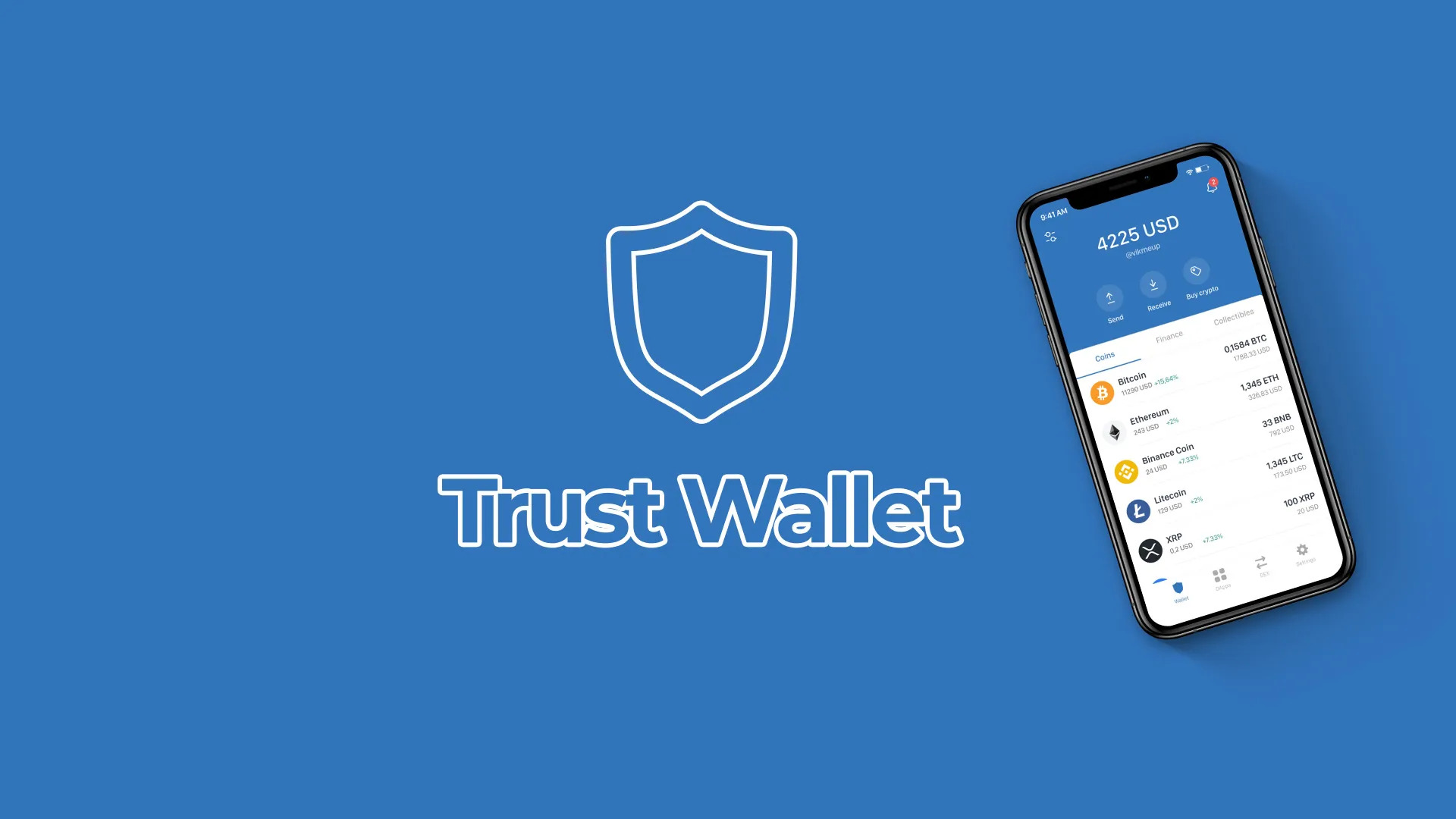
I’ve been testing a few wallets lately and one that stood out to me for balancing these pieces was truts.
I’m not shilling; I’m telling you what I’d use for a mid-size portfolio that needs multichain access without constant hand-holding.
It brings permission visibility into swaps, nudges safer seed behaviors, and offers a neat portfolio view that respects privacy choices.
Hmm…
Some of you will say “but no wallet is perfect” and you’re right.
On one hand, a wallet can add safety nets; on the other, the user is always the last line of defense.
So pick tools that minimize the chance of user-error and provide clear recovery options.
That’s the trade-off I accept and recommend to friends.
Whoa!
A quick note on mobile vs. desktop.
Mobile wallets need streamlined flows; desktop can offer more analytic depth.
If your main use case is active trading, choose a wallet with a robust swap backend.
If you want long-term holding and monitoring, emphasize seed security and portfolio analytics.
Seriously?
I’m biased toward wallets that let me set guardrails.
Allowances that auto-expire, mandatory seed verification steps, and watch-only modes—those are my must-haves.
Also, when a wallet surfaces odd contract interactions, it should provide plain-language context.
Don’t ask me whether to approve a “0xC3F…” contract; tell me what that contract will do.
Whoa!
One last practical checklist for you before you pick or switch wallets:
– Test swaps with tiny amounts first.
– Revoke stale allowances.
– Backup seeds offline and test recovery.
– Use watch-only addresses to verify balances before migrating.
– Check whether the portfolio tracker deduplicates bridged tokens.
FAQ
How do I choose slippage settings for swaps?
Short answer: start small.
Use 0.5–1% for common tokens.
Increase to 2–3% only for illiquid pairs or if you need the trade executed right away.
If a wallet warns that your slippage is unusually high, pause and reevaluate the route and pool liquidity.
Also double-check gas estimates—high slippage plus high gas equals a bad night.
What’s the safest way to store a seed phrase?
Write it on paper or metal and keep it offline.
Avoid screenshots and cloud notes.
Consider splitting the seed via Shamir or using two geographically separated backups if your holdings are significant.
If you must store it digitally, encrypt it with a strong passphrase and keep that key offline as well.
And practice recovery—test restoring to a fresh device before you trust the backup fully.
How should a portfolio tracker handle bridged tokens?
Ideally, it groups bridged and native versions together and explains provenance.
The tracker should not simply sum every ERC-20 that traces back to the same underlying asset.
Look for normalization features and clear labeling (native vs. wrapped vs. bridged).
That reduces noise and helps you understand true exposure.
0 comments